COAH
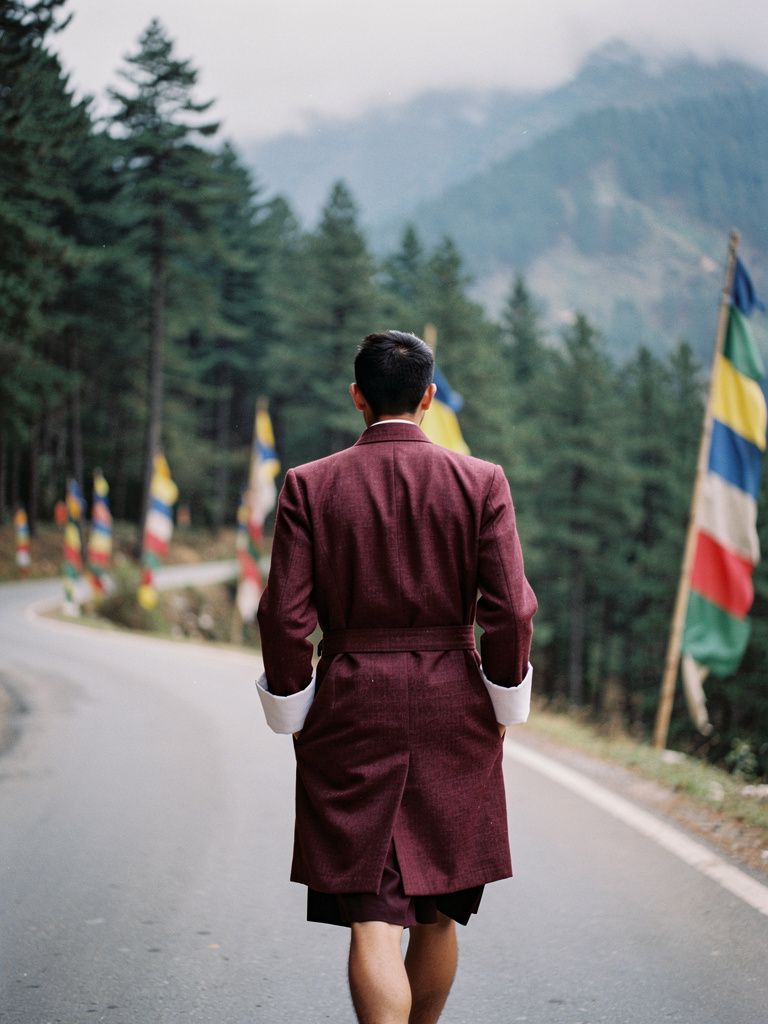
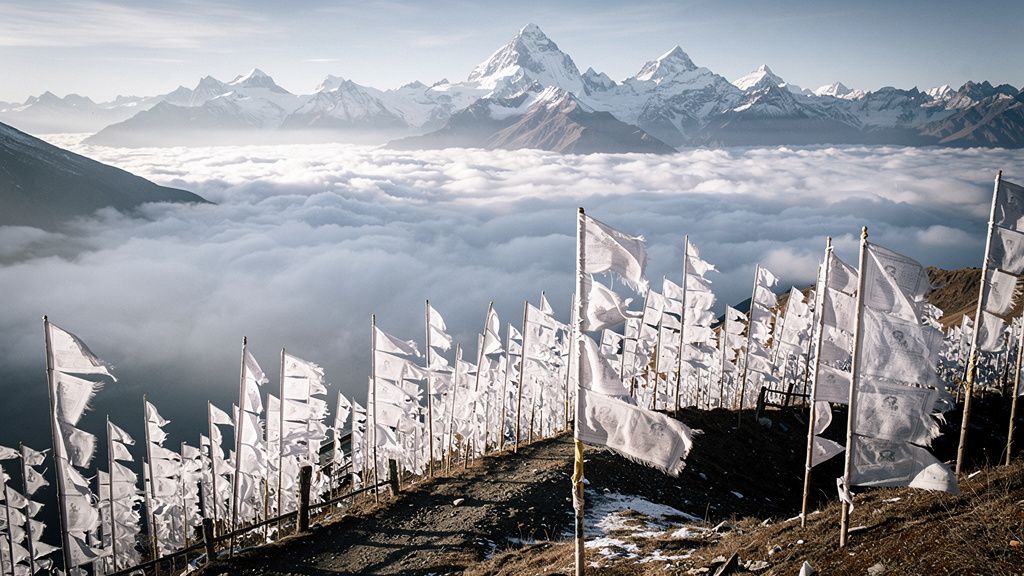
Prayer flags on a high mountain pass
Our story

Clarity,
from Bhutan.

The clarity of OM AH HUM, out of the Himalayas: for your home, your wardrobe, your mind.

The name
OMBody
AHSpeech
HUMMind

COAH stands for Clarity of OM AH HUM.

OM AH HUM is a mantra of three syllables. OM stands for body, AH for speech and HUM for mind. Each one gives its name to a line of what we make.

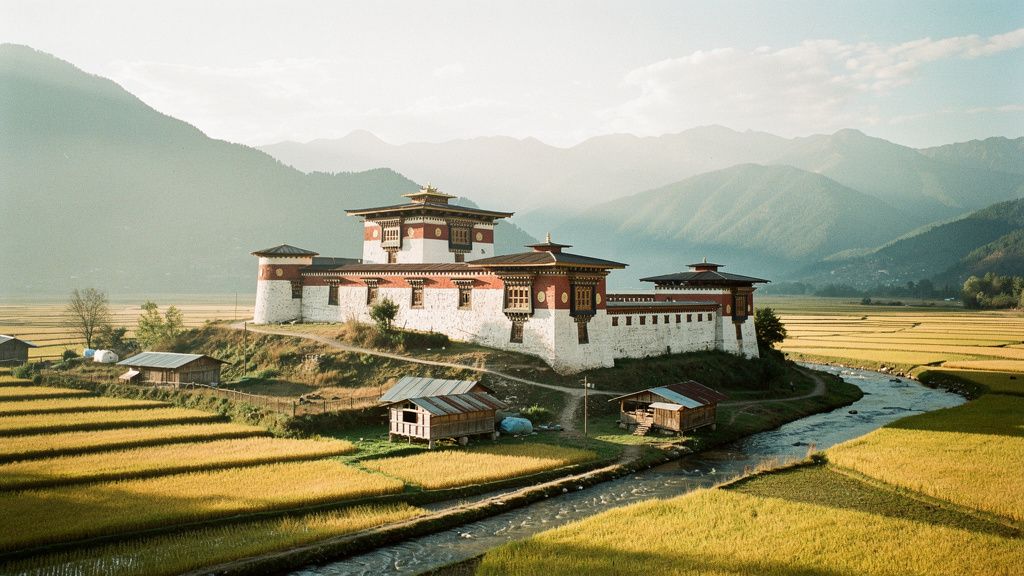
A dzong above a valley of rice terraces
Why Bhutan

A small kingdom in the eastern Himalayas.

Many people know its name. Few know how life there looks from day to day.

The gho and the kira are not costume. They are worn to school, to the office, to a meeting and to a festival, by people who own several and think about which one to put on. The belt that holds them, the kera, is woven. So is the cloth draped over the shoulder.

Weaving, woodwork and painting are among the zorig chusum, the thirteen traditional arts, and they are still taught and still practised, by people who make a living from them.

COAH exists to show that life as it is lived, through things you can wear and use.
The thirteen arts

Zorig chusum.

Bhutan counts thirteen traditional arts: weaving and embroidery, carving and carpentry, painting and sculpture, blacksmithing, silver and gold work, bronze casting, masonry, papermaking, bamboo and cane work, and woodturning.

They are not kept behind glass. They are taught in institutes, practised in workshops, and used in houses people live in. A carved window frame, a turned wooden bowl, a woven belt: all of them ordinary, all of them made by someone trained in a named discipline.

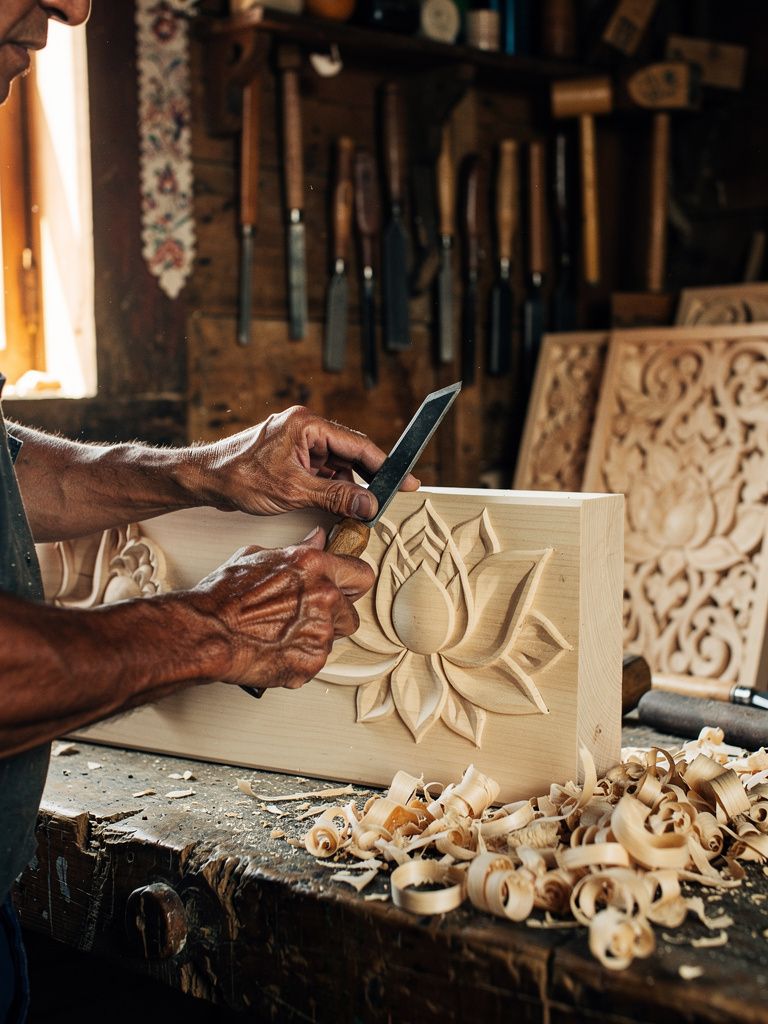
Three of the thirteen run through most of what we make. Thagzo, weaving. Parzo, carving. Lhazo, painting.

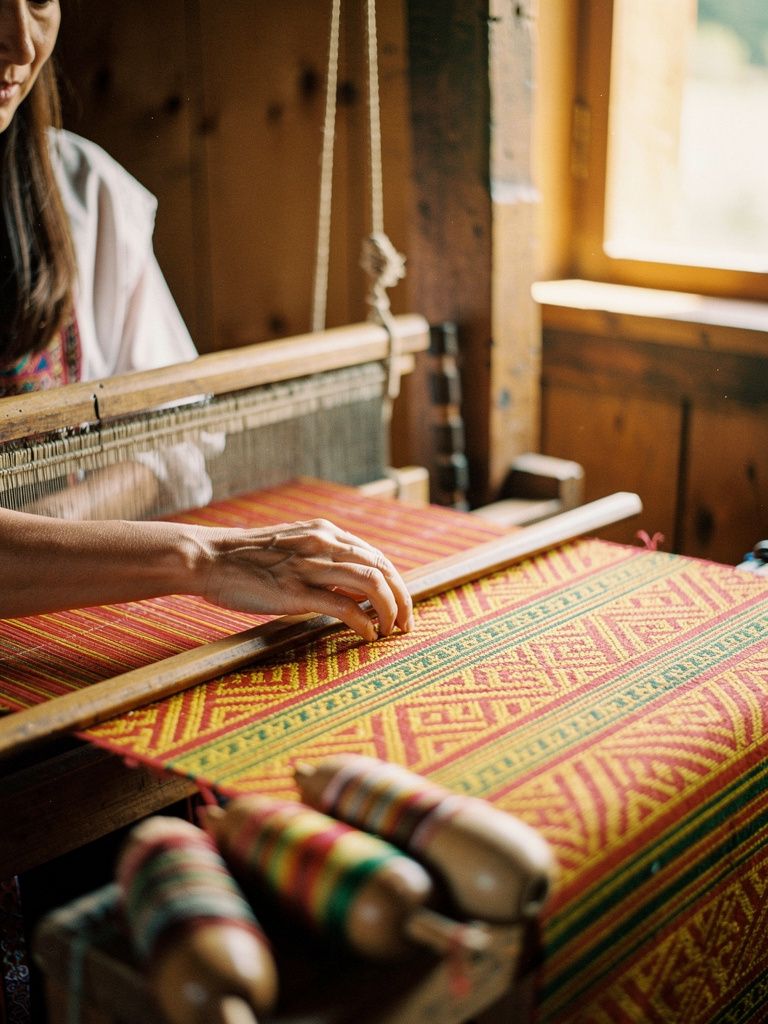
Hands weaving on a backstrap loom
Thagzo, weaving: one of the thirteen traditional arts.
Hands carving a lotus into wood
Parzo, carving: one of the thirteen traditional arts.
The cloth

Held in memory,
not on paper.

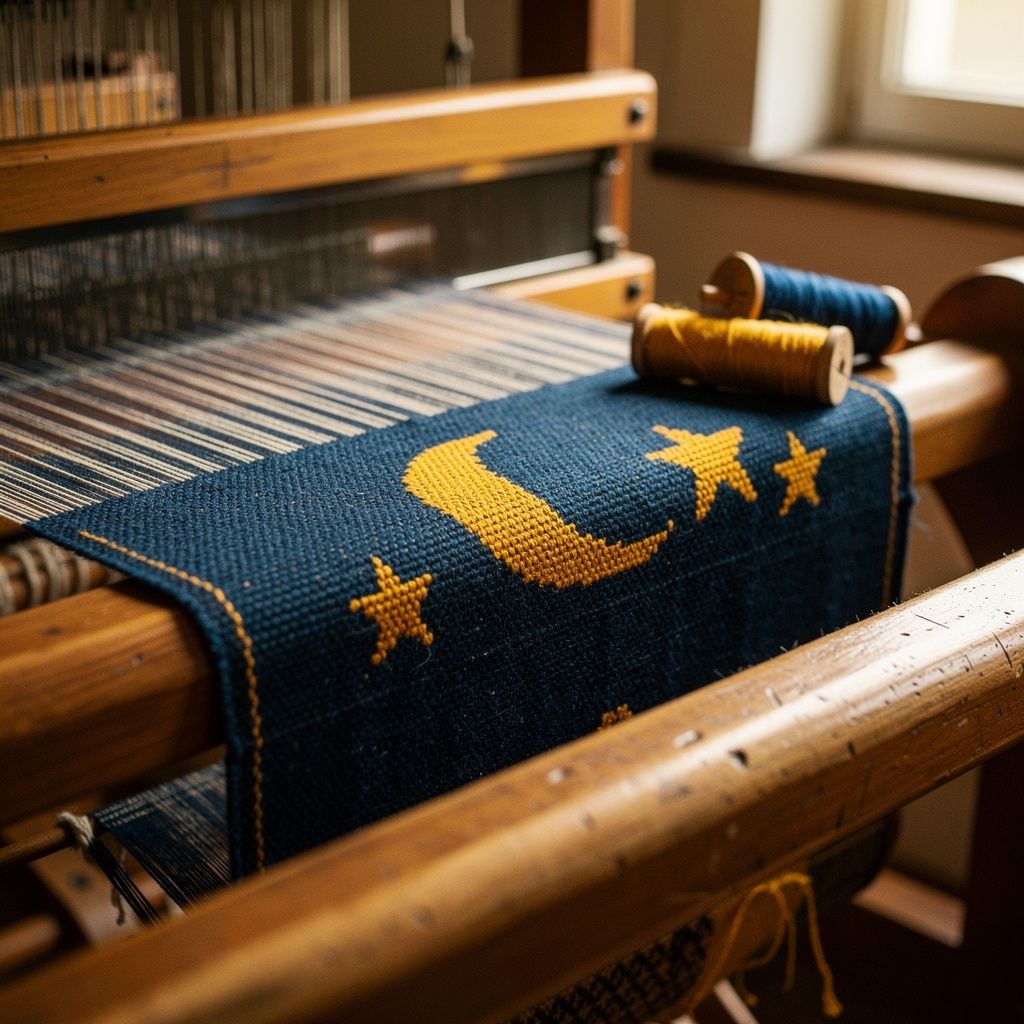
Much of Bhutan's cloth is still woven at home, on a backstrap loom that the weaver tensions with her own body. There is no printed pattern to follow. The design is counted out from memory, thread by thread, and a kira dense with supplementary-weft brocade can take the better part of a year to finish.

The colour comes from what grows nearby: madder root for red, indigo for blue, symplocos and turmeric for yellow, lac for deep crimson.

The cloths have names, and the names carry their valleys. Yathra, the thick patterned wool of Bumthang. Kushuthara, the brocade of the east. Bura, raw silk. Mathra, the checks. Each one is a different craft, a different region, a different pace of work.

What we make
OM · Clarity of Body

Where your body rests.

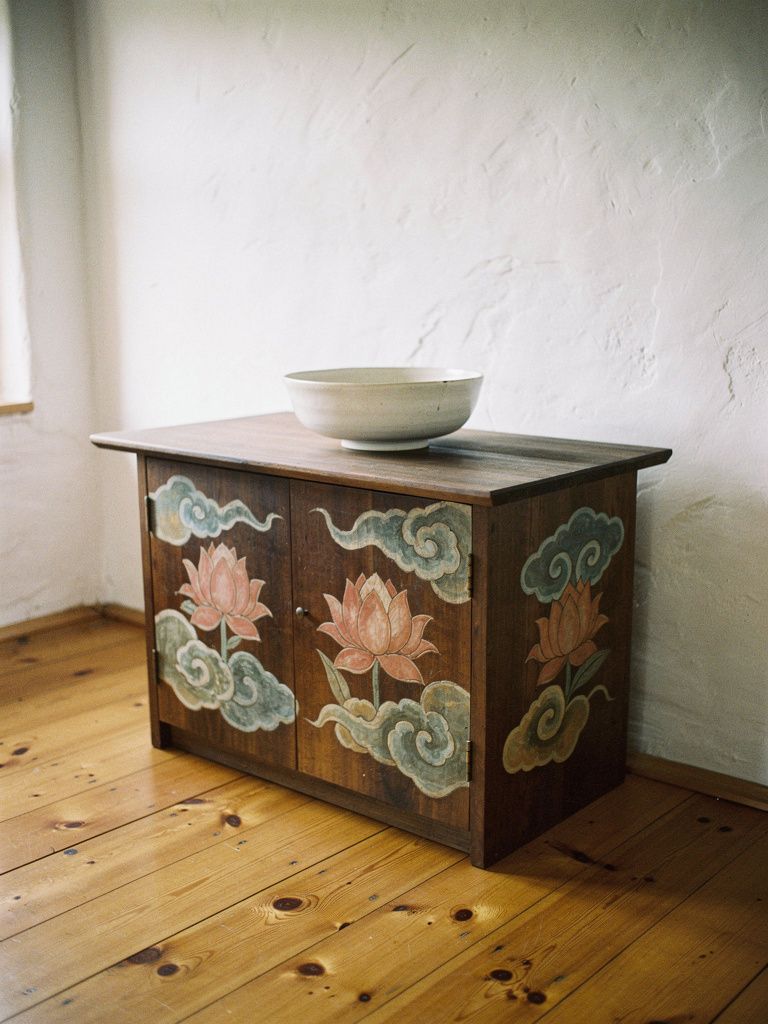
Furniture and objects for the home. The places where your body comes to rest.

AH · Clarity of Speech

What you wear speaks.

Clothing. What you wear speaks for you and shows your state of mind.

HUM · Clarity of Mind

Made for what is on your mind.

Made to order. Tell us what is on your mind and we make a piece for it.

How we give

Giving is how we return something.

COAH draws on Bhutan for everything it makes: its craft, its landscape and its way of living. Giving is how we return something.

We work with eight charities in Bhutan, and we support them in two ways. Every project is paired with one of them before it is released, and carries a donation. Separately, a share of every sale goes to the eight.

Each project page names the charity it supports, so you can see where a piece sends its money before you buy it.

Meet the eight

Newsletter

Hear from us first.

Our first pieces, the makers behind them, and the day the shop opens.